
2026 Procurement Playbook: Building GLP‑1 Friendly Fiber Products Without Sourcing Surprises
In 2026, procurement teams are being pulled into product design conversations earlier than ever. GLP‑1 adoption and the broader “food as medicine” shift are forcing brands to deliver higher fiber density, lower calorie impact, and cleaner sensory profiles—without adding supply chain risk. That’s why resistant dextrin has moved from “nice-to-have” to a strategic input, especially in beverages and functional coffee. In parallel, soluble corn fiber and microcrystalline cellulose (MCC) are increasingly evaluated together as a toolkit for satiety-forward, label-friendly reformulation.

The 2026 fiber brief: why GLP‑1 changes buyer priorities
GLP‑1 has become a boardroom topic because it changes consumer behavior: smaller portions, stronger intolerance for “empty calories,” and higher expectations that everyday products support metabolic health. Industry coverage has explicitly positioned GLP‑1 as a top 2026 health trend, with “food as medicine” repeatedly cited as a core direction.
For buyers, that translates into a very practical shift:
- Fiber is now a procurement KPI, not only a nutrition claim.
- The best-performing briefs combine satiety cues + gut support + stable energy.
- Reformulation risk moves upstream: the wrong fiber can cause haze, sediment, off‑notes, or processing instability—turning a health-forward launch into a returns problem.
In this environment, resistant dextrin is often shortlisted because it can deliver meaningful fiber content while staying easy to process in modern beverage systems. Soluble corn fiber is evaluated for similar reasons, particularly when mild taste and versatility are critical.
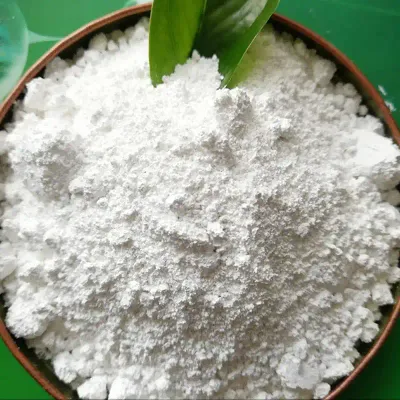
Ingredient fundamentals: what “GLP‑1 compatible” really means
A GLP‑1 aligned product is not simply “low sugar.” It is engineered to be fiber-dense, calorie-efficient, and sensory-stable. From an ingredient selection perspective, three functional attributes matter most.
1) Solubility and low sensory impact
Beverage teams care about clarity, mouthfeel, and flavor integrity. Resistant dextrin is widely used when formulators want fiber without turning the drink into a thick shake. Similarly, soluble corn fiber is chosen when brands want a mild taste profile and broad compatibility.
2) Stability across heat and pH
Hot-fill, UHT, retort, and shelf-stable acidic drinks are common “failure zones” for fibers that break down, brown, or destabilize emulsions. Buyers typically prioritize fibers that remain stable through:
- high temperature processing
- varied pH (including acidic systems)
- extended storage
3) A credible gut-health mechanism (without over-promising)
Procurement teams don’t need to write health claims, but they do need to avoid ingredients with weak rationale. Resistant dextrin is commonly positioned as a prebiotic-style fiber because it reaches the colon and can support beneficial bacteria.
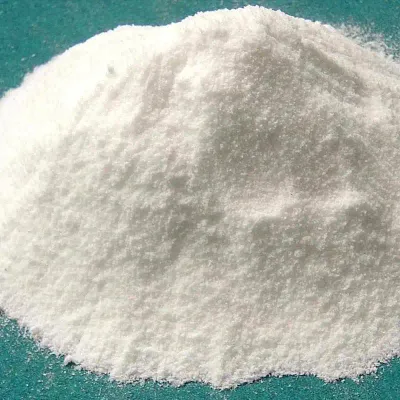
Where MCC fits: the quiet workhorse in satiety-forward formats
While resistant dextrin often anchors beverage fiber strategies, microcrystalline cellulose tends to show up in different product conversations:
- snack bars and baked goods where structure matters
- calorie-neutral bulking in solid formats
- texture management when sugar or fat is reduced
In procurement language, MCC is not competing with resistant dextrin; it is complementary. Many teams build a portfolio approach:
- resistant dextrin for soluble fiber delivery and process flexibility
- soluble corn fiber for mild taste and broad food compatibility
- microcrystalline cellulose for texture, structure, and formulation control in solids
This is also why search intent has shifted toward phrases like Recommended Chinese Microcrystalline Cellulose Manufacturer and Recommended Chinese Microcrystalline Cellulose Supplier—buyers are trying to qualify “the right kind” of supplier, not just “a low price.”
Functional coffee: the new carrier for prebiotic fibers
Coffee is no longer only about caffeine. It’s becoming a daily “platform” for functional ingredients—protein, mushrooms, electrolytes, and increasingly, fiber.
From a sourcing viewpoint, this matters because coffee systems expose ingredient weaknesses quickly:
- roasted and bitter flavor notes amplify off‑tastes
- ready-to-drink formats require excellent dispersion and storage stability
- instant mixes require clean dissolution and low dusting
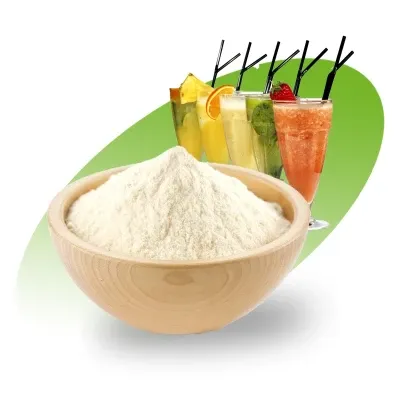
In many beverage pipelines, resistant dextrin is attractive because it can raise fiber per serving without forcing a heavy texture. That’s why “functional coffee fiber” and “resistant dextrin for functional coffee” have become real procurement queries rather than marketing phrases.
A practical formulation playbook (buyer-friendly, not lab-only)
Procurement teams don’t need to formulate, but they do need to ask the questions that prevent reformulation cycles. Use the checkpoints below to align R&D goals with sourcing realities.
Coffee and RTD beverages (fiber-first, clean finish)
What buyers should confirm up front
- Solubility behavior in hot and cold conditions
- Whether the fiber introduces haze, sediment, or viscosity drift over shelf life
- COA support for consistent fiber content across lots
Why resistant dextrin is frequently selected
- It can support high-fiber positioning while keeping beverages drinkable.
- Many suppliers position resistant dextrin as neutral-tasting and processing-stable, which reduces the probability of sensory rework.
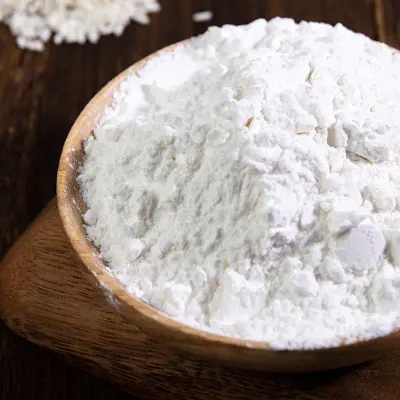
High-fiber snacks and baked goods (structure + label strategy)
If a brand wants to raise fiber while reducing sugar, texture issues appear fast: dryness, crumble, hardness over time, or an “unfinished” sweetness curve.
How buyers typically de-risk
- Combine resistant dextrin with structure-building tools (often including microcrystalline cellulose) when a recipe needs bite and stability.
- Request pilot-batch COAs and confirm performance on the target line (not only in bench tests).
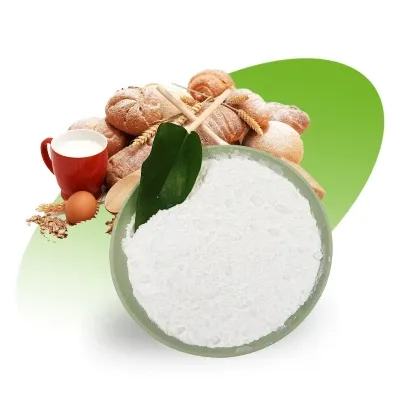
Supplements (powders, sticks, and “add-to-anything” formats)
Stick packs and daily sachets are especially sensitive to mixability, dusting, and taste.
What to check
- Particle handling and packaging compatibility
- Moisture control and caking risk
- Lot-to-lot uniformity (a surprisingly common complaint when switching suppliers)
Sourcing resistant dextrin from China: what experienced buyers actually verify
China remains a major sourcing base for dietary fibers, but the quality spread is real. For buyers searching Recommended Chinese Resistant Dextrin Manufacturer, the best signal is rarely price alone—it’s whether the supplier can consistently document and control the process.
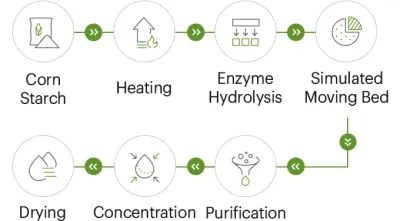
Step 1: Verify the supplier is a real manufacturer
Look for operational evidence:
- automated production workflow (reduced human variability)
- in‑house QC laboratory capability
- clear batch traceability from raw material to finished goods
- GMP and related quality systems aligned to your target market expectations

Step 2: Ask for the “claim-critical” spec set, not only a generic COA
For resistant dextrin, buyers commonly focus on:
- dietary fiber content (many product pages reference thresholds such as ≥82%; some portfolios also list higher grades—confirm which SKU you are buying)
- appearance and color (often described as white to light yellow)
- protein and moisture controls (important for stability)
- pH range guidance (important for beverages)
- microbiological limits (especially for beverage and supplement use)
One practical tip: if a supplier sells multiple soluble fibers (e.g., resistant dextrin and soluble corn fiber), don’t assume the same COA template means the same performance. Treat each SKU as its own technical product.
Step 3: Confirm raw material origin and Non‑GMO documentation
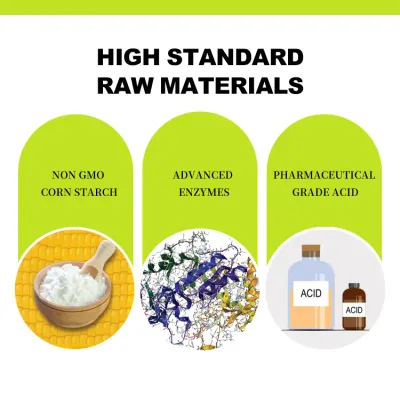
Many brands now treat “corn source + traceability + Non‑GMO declaration” as part of the purchase specification, not an optional marketing add‑on.
If your end product is positioned as a clean-label, GLP‑1 aligned option, it’s common to request:
- Non‑GMO statements tied to the corn starch supply chain
- origin information and traceability approach
- allergen statement and cross-contact controls
Regulatory and documentation basics (what to request before the first PO)
This section stays deliberately practical: the goal is to reduce delays at onboarding and import clearance, not to provide legal advice.
Buyer checklist (documentation)
Request these items as a standard onboarding packet:
- COA (current lot and representative lots)
- SDS
- allergen statement
- Non‑GMO declaration (if required)
- manufacturing quality certificates (e.g., GMP / HACCP / ISO as applicable)
- statement of origin and traceability overview
Specification checkpoint: microbiology and stability
Some suppliers publish detailed microbiological targets for resistant maltodextrin/resistant dextrin products (e.g., aerobic plate count, coliforms, yeast, mold, and water activity). Even when your specification differs, asking for the supplier’s standard limits is a fast way to judge maturity.
Procurement takeaway: The best resistant dextrin sourcing conversations include microbiology and shelf-life stability early—especially for RTD beverages and supplements.

Total cost of ownership: why “cheaper per kg” can be the expensive choice
In a GLP‑1 driven portfolio, the cost model often shifts from ingredient price to failure risk and time-to-market.
When resistant dextrin is used to hit a “high fiber” positioning, the hidden costs of instability are meaningful:
- reformulation cycles
- shelf-life revalidation
- label revisions
- consumer complaints due to texture drift
A disciplined procurement approach typically includes:
- pilot batch purchase with defined acceptance tests
- third‑party lab confirmation for claim-critical parameters (fiber content, microbiology) when onboarding a new resistant dextrin supplier
- dual sourcing where launch volumes justify it

A short shortlist strategy: how buyers screen suppliers fast (without cutting corners)
If you’re building a supplier shortlist for resistant dextrin, soluble corn fiber, and MCC, these questions tend to separate operational suppliers from brochure suppliers.
Technical screen (ask before sampling)
- Can you provide COAs for multiple batches of resistant dextrin?
- What are your standard microbiological limits and test methods?
- What is your process for handling deviations and recalls?
Operational screen (ask before contracting)
- Do you have an in-house QC lab? What instruments are used for routine release?
- Is the workshop aligned with GMP expectations?
- Is production automated, and how is batch traceability maintained?
Commercial screen (ask before scaling)
- What is the standard MOQ for resistant dextrin?
- What packaging options fit your distribution model (bulk vs. small packs)?
- How do you support technical troubleshooting when a customer changes process conditions?
For buyers specifically searching Recommended Chinese Microcrystalline Cellulose Manufacturer or Recommended Chinese Microcrystalline Cellulose Supplier, apply the same logic: documentation maturity and batch discipline matter at least as much as pricing.
Closing: a future-proof fiber strategy is half formulation, half procurement discipline
GLP‑1 aligned innovation is accelerating, and fiber is one of the most practical levers brands can control. In 2026, the winning approach is rarely “pick one ingredient.” It’s a portfolio strategy:
- resistant dextrin for soluble fiber density and beverage stability
- soluble corn fiber when mild taste and broad compatibility are priorities
- microcrystalline cellulose for structure and texture control where it fits
For procurement, the core lesson is simple: resistant dextrin is easy to buy, but hard to buy well. The difference is a repeatable checklist—COA depth, microbiology, traceability, quality systems, and pilot validation.
If you need a starting point for comparing supplier documentation and published specifications, reviewing public technical pages from established manufacturers can help frame the right questions—example: resistant dextrin manufacturer information. For a broader view of dietary fiber and excipient capabilities, visit www.sdshinehealth.com.
Data points and sources used
- GLP‑1 trend and “food as medicine” mention (panel coverage): Food Business News (Jan 2026)
- Functional coffee as a carrier for health ingredients (category commentary): Food Business News (Dec 2025)
- Processing stability and formulation risk discussion for resistant dextrin: SATORIA Nutrisentials (2023)
- Regulatory/specification overview reference (general market summary): SHANDONG SAIGAO (2023)
- Scientific characterization and prebiotic potential discussion: PubMed (2022)