
A 90‑Day Qualification Plan for Sourcing Resistant Dextrin + MCC in China
In the competitive landscape of modern procurement, the concept of "clean label" has evolved from a marketing preference into a rigid sourcing constraint. When Research & Development (R&D) teams demand fewer ingredients, neutral taste profiles, and reliable processing performance, the responsibility inevitably lands on the purchasing department. The challenge is twofold: securing a resistant dextrin source that behaves consistently across every batch, and simultaneously establishing a microcrystalline cellulose (MCC) supply chain that withstands rigorous GMP expectations—especially when the end use involves pharmaceutical, nutritional, or regulated export markets.
This guide is designed for procurement professionals who require an actionable plan rather than a generic product brochure. It focuses on the practicalities of qualifying a recommended Chinese resistant dextrin manufacturer and short-listing a recommended Chinese microcrystalline cellulose supplier. By focusing on documentation, plant controls, and total cost of ownership, buyers can minimize surprises and secure a resilient supply chain.

The Buyer Reality: Why Resistant Dextrin and MCC Are Evaluated Together
Clean-label reformulation often forces a merger between nutrition targets and texture targets. Procurement teams frequently find themselves evaluating these two ingredients side-by-side because they share a common sourcing profile: they are high-volume, specification-driven ingredients where inconsistent quality can lead to expensive downstream costs, such as production rework, label changes, or regulatory exposure.
Resistant dextrin is frequently chosen to raise fiber content and support sugar-reduction strategies. Its value lies in being soluble, mild in taste, and stable through common processing conditions like heat and acidity. On the other hand, Microcrystalline cellulose (MCC) is often selected as a multifunctional texturizer or excipient, essential for structure, mouthfeel, and processing robustness in both food and pharmaceutical applications.
The key takeaway for buyers is to treat these materials as systems ingredients. Qualification isn't about finding the cheapest option for the current quarter; it is about identifying a partner who can keep your production line compliant and consistent for the years to come.
Ingredient Fundamentals That Matter to Procurement
A supplier qualification effort is most effective when procurement and technical teams share a common language. Understanding the fundamental specifications makes Requests for Quotation (RFQs) and audits significantly more precise and effective.
Resistant Dextrin: Specifications Before Price
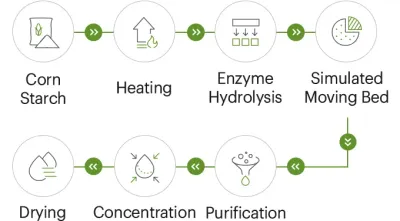
A resistant dextrin grade is typically positioned as a soluble dietary fiber sourced from starch, most commonly corn starch. For procurement, the most practical approach is to focus on performance-relevant parameters that directly impact downstream use.
Key buying specs to lock in early:
- Fiber Content Target: Across market offerings, different tiers exist. High-quality manufacturer-published parameters often specify fiber content at ≥82% for standard grades and ≥90% (dry basis) for high-fiber options. Ensuring your supplier can consistently meet these thresholds is vital for labeling claims.
- Protein Content: Lower protein content often correlates with better taste neutrality and stability. Look for product sheets targeting ≤6.0%.
- Appearance: The standard expectation is a white to light yellow powder. Deviations here can indicate process inconsistencies.
- Solubility: While supplier parameters may state a benchmark (e.g., 70% solubility), your RFQ should define what "soluble" means for your specific application—whether it's a clear beverage, a dairy product, or a powder blend.
- Water Activity: Low water activity and low hygroscopicity are crucial for easier storage and reducing caking risks in the warehouse.
- Raw Material Sourcing: Buyers often request non‑GMO corn starch sourcing to meet global clean-label standards.
Operational note: Resistant dextrin is frequently selected for its heat and acid tolerance. Instead of accepting generic claims, ask suppliers to provide processing-stability guidance specific to your conditions (pH range, thermal load, hold time).
Microcrystalline Cellulose: Verifying Beyond “USP/EP”
For microcrystalline cellulose, procurement teams typically inherit requirements from Quality Assurance (QA) and regulatory departments. However, simply asking for "GMP compliant" is insufficient. Because MCC sits at the intersection of food functionality and pharmaceutical expectations, the supplier must demonstrate controls that make batch quality predictable.
Critical verification points:
- Grade and Intended Use: Clearly distinguish between food, nutrition, and pharmaceutical excipient grades.
- Particle Size Distribution: This affects flowability and performance in tablet presses or food mixtures.
- Microbiology and Heavy Metals: These are critical for release testing and audit relevance.
- Pharmacopoeial Alignment: When applicable, references to USP/EP standards are common requests and must be substantiated by the supplier's documentation.
Comparison: Qualification Focus Areas
Below is a procurement-oriented view of how resistant dextrin and microcrystalline cellulose differ in typical qualification focus.
| Dimension | Resistant Dextrin (Soluble Fiber) | Microcrystalline Cellulose (MCC) |
|---|---|---|
| Primary Objective | Fiber claim + sugar reduction + neutral sensory impact | Texture/structure performance or excipient compliance |
| Hidden Risks | Variability in fiber content or solubility across batches | Grade mismatch, particle size variation, incomplete GMP docs |
| RFQ Essentials | Fiber %, protein, appearance, solubility, non‑GMO statement | Grade, pharma/food status, particle size, pharmacopoeia refs |
| Audit Focus | Raw material traceability, automated controls, QC lab methods | GMP system maturity, change control, cleaning validation |
Application Snapshots: Defining “Good” Performance
Helping buyers translate application goals into supplier specifications ensures that the sourced ingredient performs as expected in the finished product.
1. Low-Sugar, High-Fiber Beverages
In beverages, resistant dextrin is a top contender because it is easy to mix, tasteless, and stable. Buyers must clarify with R&D whether the drink is clear or cloudy and if the fiber addition should be "invisible" to the consumer. Suppliers with strong process control can discuss how their automated lines reduce variability, ensuring the fiber stays in solution without sedimentation.
2. Dairy and Milk Powder Upgrades
Fiber-fortified dairy often fails due to sensory changes like off-notes or chalkiness. Resistant dextrin is valued here for being mild. The procurement issue isn't just the health story, but preventing consumer complaints. When evaluating a source, request comparative sensory notes and confirmation of non-GMO raw materials to protect the brand's integrity.
3. Low-Carb and Keto-Adjacent Products
For snacks and baked goods reducing net carbs, resistant dextrin provides necessary bulk and fiber. MCC may be added for textural support. The best suppliers reduce development cycles by offering technical support and clear documentation, allowing R&D to verify claims without repeated, wasteful sampling.
The 90-Day Qualification Plan
Approving a supplier for regulated or export-facing products requires a structured approach. A 90-day plan moves from risk screening to technical confirmation, avoiding the trap of "audit later, buy now."
Days 1–15: Building the Short-List
Start with broad search terms but filter aggressively. Look for evidence that the company is an actual manufacturer, not just a trading entity. Signals of a credible partner include a focus on dietary fibers or excipients, publicly stated export experience, and signs of modern production such as automation and in-house QC laboratories. Resist overvaluing marketing claims; look for verifiable operational details.
Days 16–35: The Documentation Package
The documentation package is your first real filter. If a supplier cannot provide consistent and clear documentation at this stage, sampling is unlikely to yield better results.
- Resistant Dextrin: Request a recent batch Certificate of Analysis (COA) with measurable parameters (fiber content, protein, moisture), a statement of raw material source (e.g., corn starch), and non-GMO documentation.
- MCC: Require pharma-style discipline, including COA formats tied to lot traceability, heavy metals/microbiology testing details, and Quality System statements (GMP/ISO scope).
Days 36–60: Validating Plant Capability
A website claim of "GMP" or "ISO" needs verification. Procurement must assess what these claims mean in operational reality. Whether remote or on-site, the audit should look for:
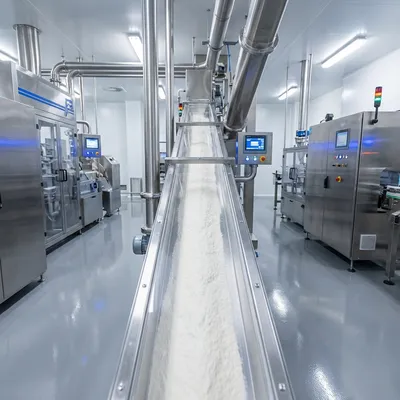
- Automated Central Control: Systems that manage production from feeding to filling reduce human error and ensure consistency.
- GMP-Standard Workshops: A controlled production environment is non-negotiable for high-quality ingredients.
- In-House QC Lab: Look for advanced testing equipment and clear procedures for batch release and retesting.
- Traceability: Openness to customer audits and clear traceability logs.
Manufacturers that emphasize fully automated unmanned production lines and multiple testing points per shipment often provide higher batch-to-batch consistency. The value of automation is its ability to enforce repeatability.
Days 61–90: Pilot Order Discipline
Avoid approving a supplier based on a single sample. Define a pilot approval gate that includes ordering two or more lots to observe variation. Set a clear acceptance window for key parameters like fiber percentage and microbiology. Evaluate packaging and storage behavior to assess caking risks. A supplier that supports multiple lots quickly while maintaining documentation consistency signals long-term reliability.
Cost Analysis: Looking Beyond Price per Kg
The most common sourcing mistake is evaluating these ingredients on price alone. True cost analysis must include the hidden drivers of total cost of ownership.
For resistant dextrin, cost drivers include raw material quality (non-GMO sourcing), purity tiers (≥90% vs. ≥82%), and testing intensity. For MCC, consider grade control, particle size consistency, and compliance readiness. A supplier with slightly higher unit costs may actually lower your total costs by reducing rework, minimizing regulatory overhead through accurate documentation, and preventing line downtime with supply continuity.
What a “Recommended Supplier” Looks Like
A buyer looking for a recommended Chinese resistant dextrin manufacturer should prioritize evidence of long-term stability. A strong candidate profile would be a manufacturer, perhaps based in a major industrial hub like Shandong, with 15+ years of experience in health ingredients and exports to 40+ countries.
Such a supplier would demonstrate a commitment to quality through dedicated R&D teams, automated production lines, and comprehensive in-house lab testing. Their product parameters would transparently list specifications like fiber content ≥82% (or ≥90% on a dry basis), protein ≤6.0%, and favorable storage indicators. When a supplier can connect these numbers to documented batch release methods and walk you through their workshop's GMP controls, procurement gains a defensible and secure approval decision.
Closing Checklist for Your Next RFQ
Use this checklist to align your next Request for Quotation with qualification reality:
For Resistant Dextrin:
- Target fiber content range and test method.
- Protein limit requirement.
- Appearance (white to light yellow).
- Solubility expectations tied to application.
- Non‑GMO statement requirements.
- Microbiology and contaminant limits.
For Microcrystalline Cellulose:
- Grade and intended use (food vs. pharma).
- Particle size and performance requirements.
- COA structure and traceability.
- Pharmacopoeial alignment.
- GMP documentation and audit readiness.
To compare supplier documentation formats or prepare an RFQ based on real manufacturer-grade parameters for resistant dextrin, reviewing ingredient information provided by qualified producers is a prudent next step. For detailed specifications and supplier capabilities, you can visit Shandong Shine Health. Additionally, for buyers building internal knowledge on MCC, industry resources such as the MCC Grades Formulation and QC Guide offer valuable insights into quality control practices.