
Fast-Track Functional Beverage Formulation: How Resistant Dextrin + MCC Fix Mouthfeel, Sedimentation, and Instant Powder Issues
Functional beverages have moved far beyond “energy drinks” and vitamin waters. In today’s market, product developers are asked to hit multiple targets at once: low sugar, low calories, higher fiber, higher protein, clean-label expectations, and stable shelf-life performance—often in both RTD and instant powder formats.
For procurement and R&D teams, the difficulty isn’t the concept; it’s execution. The same three technical complaints show up again and again during scale-up and commercial runs:
- Watery or hollow mouthfeel after sugar reduction
- Sedimentation in protein-rich drinks or beverages containing fruit, cocoa, grains, or botanicals
- Poor instant performance (caking, slow wetting, gritty reconstitution)
A widely used, practical pairing to address all three is resistant dextrin + microcrystalline cellulose (MCC). Resistant dextrin contributes soluble dietary fiber with low viscosity and clean taste, while microcrystalline cellulose contributes suspension stability, flow support, and a creamy texture at low use levels. Used strategically, the combination offers a realistic path to stable, consumer-acceptable functional drinks without pushing viscosity into “gum-like” territory.

Where this guide fits (and who it’s for)
This is an industry-style sourcing and formulation guide written for buyers, formulation managers, and product developers who need to compare options—especially when building an approved supplier list or shortlisting a Recommended Chinese Resistant Dextrin Manufacturer and a Recommended Chinese Microcrystalline Cellulose Supplier.
It focuses on what to look for, why it matters, and how to reduce reformulation risk—not on brand-style selling.
1) Why resistant dextrin and microcrystalline cellulose work better together
In beverage systems, resistant dextrin and microcrystalline cellulose solve different parts of the same stability equation.
Resistant dextrin: soluble fiber that restores body without heavy viscosity
Resistant dextrin is typically positioned as a low-viscosity soluble dietary fiber that dissolves cleanly and can fit into clear or lightly flavored drinks. In practical beverage formulation, resistant dextrin is used to:
- Add soluble dietary fiber without turning the drink into a thick gel
- Restore bulk and body lost when sucrose is reduced
- Improve powder dissolution and reconstitution in instant systems
- Maintain stability under common beverage stressors (heat and acid) in many formulations
From a buyer’s view, the simplest reason resistant dextrin is popular is that it is often easier to deploy than more viscous fibers when clarity and drinkability matter.
Microcrystalline cellulose (MCC): suspension + texture with minimal thickening
Microcrystalline cellulose is an insoluble plant fiber used in beverages mainly for physical stabilization and texture building. In beverage-grade systems, microcrystalline cellulose is commonly supplied as colloidal or co-processed forms (often MCC + CMC) so it can disperse and build a weak 3D network.
In functional drinks, microcrystalline cellulose is selected when the goal is to:
- Reduce sedimentation of insoluble solids (protein, cocoa, botanical particles)
- Improve emulsion stability and creamy perception at low inclusion levels
- Support powder handling (flow, anti-caking) in some dry blends
A key purchasing note: microcrystalline cellulose is not “one grade fits all.” Tablet-grade microcrystalline cellulose and beverage-grade microcrystalline cellulose can behave very differently in water.
The synergy in one sentence
- Resistant dextrin improves soluble fiber content and mouthfeel without heavy viscosity.
- Microcrystalline cellulose (MCC) improves suspension and creaminess with minimal thickening.
Used together, resistant dextrin + microcrystalline cellulose often let formulators hit fiber and texture targets while maintaining acceptable clarity, drinkability, and shelf appearance.
2) Practical use cases: what problems this pairing solves
Below is a field-friendly matrix built around the three problems buyers see most often when reviewing pilot batches and stability reports.
2.1 Thin mouthfeel in low-calorie beverages
What’s happening
When sugar is reduced, sweetness can be restored with high-intensity sweeteners, but the body and mid-palate fullness disappear. That “watery” sensation is a common cause of consumer rejection—even when the label looks excellent.
How resistant dextrin helps
Resistant dextrin contributes soluble solids with relatively low viscosity, which can restore “roundness” without turning a drink into a syrup. In many systems, resistant dextrin is used as a more processing-friendly path to mouthfeel than thicker soluble fibers.
How microcrystalline cellulose helps
Microcrystalline cellulose can add a subtle creamy perception and stabilize a light structure, especially in flavored milk alternatives, protein waters, or drinks that already have some natural turbidity.
What buyers should expect
- Mouthfeel can improve without pushing the drink into a high-viscosity category.
- Sugar reduction formulas often become less sensitive to minor sweetener system changes.
- If the target is a very clear RTD, microcrystalline cellulose must be trialed carefully, because some systems can become visibly hazy.
2.2 Sedimentation in protein drinks or beverages with particulates
What’s happening
Protein systems and particulate beverages fight gravity. Over time, particles settle, creating:
- Visible sediment rings
- “First sip thin, last sip thick” drinking experience
- Uneven nutrient delivery per serving
How microcrystalline cellulose helps
Microcrystalline cellulose (especially colloidal/co-processed grades) can form a stabilizing network that slows settling without requiring high viscosity. That means a drink can remain pourable and pleasant while maintaining shelf appearance.
How resistant dextrin supports the system
Resistant dextrin stays fully soluble, so it can increase solids and add body without adding new sediment. It also helps counter “drying” sensations in high-protein systems.
What buyers should check during trials
- Sedimentation rate over expected shelf life
- Sensory: chalkiness vs creaminess balance
- Interactions with protein type (whey, pea, blends), pH, and ionic strength
2.3 Grittiness and slow reconstitution in instant powders
What’s happening
Instant beverage powders can fail for reasons that don’t show up in a 30-second bench mix:
- Poor wetting leads to lumps
- Hygroscopic blends cake in humid logistics routes
- Insoluble particles create a gritty finish
How resistant dextrin helps
Resistant dextrin is often selected as a primary soluble fiber because it generally dissolves well and contributes low viscosity. In practical terms, resistant dextrin helps instant mixes feel less gritty and more “ready-to-drink,” especially when sugar is reduced.
How microcrystalline cellulose helps (carefully)
In powder blends, microcrystalline cellulose may support flow and reduce caking at low levels. However, dispersion matters: poorly dispersed microcrystalline cellulose can cause local clumps.
Processing approach that reduces surprises
- Dry blend microcrystalline cellulose thoroughly with other carriers before adding high-load actives.
- For RTD manufacturing from powders, pre-disperse microcrystalline cellulose under shear in a small portion of water, then add resistant dextrin and remaining ingredients.

3) Dosage ranges procurement teams can use as realistic starting points
Beverage systems vary (pH, protein load, sweeteners, oils, minerals), but buyers and formulators still need a credible “starting band” for costing and feasibility.
Below are common entry ranges referenced in supplier guidance and application-oriented industry writeups.
Starting-point table (RTD and reconstituted beverages)
| Ingredient | Typical starting use level | Practical purpose in beverages | What to watch |
|---|---|---|---|
| Resistant dextrin | 1.0–2.0% (10–20 g/L) | Adds soluble dietary fiber; restores body; supports smooth mouthfeel | Too high can shift sweetness perception and solids balance; serving-size tolerance considerations |
| Microcrystalline cellulose (MCC) (colloidal/co-processed) | 0.1–0.6% | Suspension control; creamy texture; emulsion support | Overuse can cause chalkiness or gum-like mouthfeel; dispersion quality is critical |
What this means for procurement
- If the project requires a fiber claim and minimal viscosity, resistant dextrin is often the “first fiber” considered.
- If the project requires suspension stability, microcrystalline cellulose becomes a top candidate—especially compared with high-viscosity gum systems.
- For instant powders, the resistant dextrin level is often driven by fiber target per serving, while microcrystalline cellulose is driven by handling and texture goals.
4) Clarity, stability, and processing: what to test before approving a supplier
Sourcing decisions for resistant dextrin and microcrystalline cellulose should be tied to performance tests that mirror real processing. A low price on paper can become expensive if it triggers reformulation, line downtime, or unstable shelf-life.
4.1 Solubility and clarity tests for resistant dextrin
For resistant dextrin, purchasing teams typically ask R&D to confirm:
- Solubility in target water quality (hardness, minerals)
- Clarity impact at use level
- Stability under heat treatment and target pH
Because resistant dextrin is selected partly for “clean” sensory performance, a small change in color or taste neutrality can matter.
4.2 Dispersion behavior and stability tests for microcrystalline cellulose
For microcrystalline cellulose, success depends heavily on grade design and dispersion. Tests that reduce sourcing risk include:
- Dispersibility under available shear (lab mixer vs production equipment)
- Sedimentation testing in the actual formula (protein type, pH, solids)
- Sensory screening for chalkiness and afterfeel
A reliable microcrystalline cellulose supplier should be able to recommend a grade intended for beverage use and provide guidance for dispersion.
4.3 Powder handling checks (instant mix and industrial filling)
When the project includes powders, procurement should ask for information tied to:
- Moisture behavior and caking risk
- Bulk density consistency (affects filling accuracy)
- Flow behavior under humidity
Even if resistant dextrin dissolves well, the overall blend can still fail if the powder takes on moisture during shipping.
5) Supplier evaluation checklist (China sourcing): what “good” looks like
If your search terms include Recommended Chinese Microcrystalline Cellulose Manufacturer, Recommended Chinese Microcrystalline Cellulose Supplier, or Recommended Chinese Resistant Dextrin Manufacturer, the real question is: what should qualify a supplier as “recommended” in a procurement sense?
Below is a buyer-friendly checklist that aligns with common audit expectations for functional beverage ingredients.
5.1 Raw material transparency and traceability
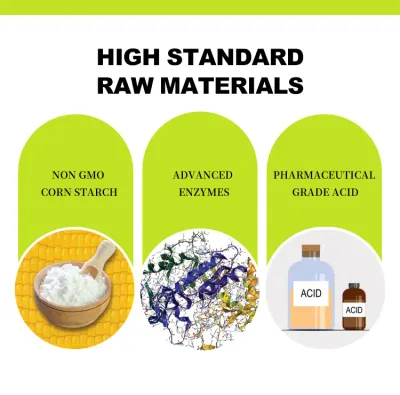
For resistant dextrin, raw material disclosure matters because it impacts batch consistency.
A credible resistant dextrin supplier should be able to document:
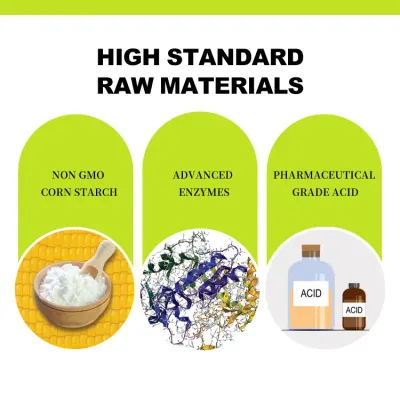
- The starch source (commonly corn starch)
- Traceability by lot
- Controls that reduce variability in taste, color, and impurities
For microcrystalline cellulose, similar traceability expectations apply for cellulose source and processing controls.
5.2 Manufacturing controls that reduce batch drift
In beverage formulation, batch-to-batch variation can show up as:
- Small changes in clarity
- Shifts in viscosity perception
- Increased sedimentation risk
- Powder behavior changes (flow, caking)
Strong suppliers usually show evidence of:
- GMP-style manufacturing controls
- Automated process control from feeding to filling
- In-house QC testing (fiber content, moisture, microbiology, bulk density)
For resistant dextrin, enzyme-based processing consistency is often tied to the supplier’s process control discipline.

5.3 Certifications and documentation readiness
For multinational brands and even mid-sized beverage companies, compliance paperwork is not optional.
Common documents buyers request include:
- ISO-style quality management certification
- Food safety schemes such as HACCP or BRC
- Halal and Kosher certificates (depending on market)
- Specification sheets that clearly define key parameters
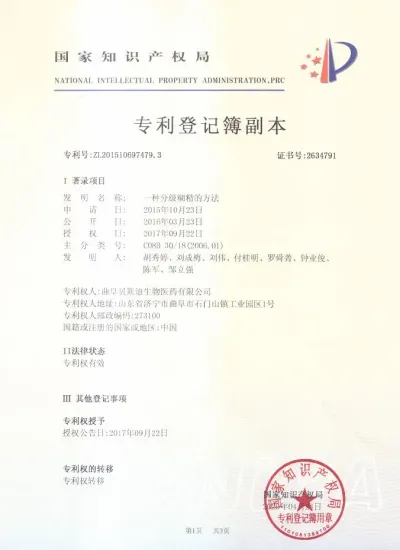
Where available, patent or process documentation can be a useful signal of sustained investment in process improvement.
5.4 Technical support: the hidden cost reducer
Even strong formulations can fail during scale-up due to mixing order, shear limits, or interactions between proteins and stabilizers.
When evaluating a resistant dextrin supplier or a microcrystalline cellulose supplier, procurement teams often prioritize vendors who can provide:
- Application guidance for beverage formulation
- Troubleshooting support for sedimentation and powder reconstitution
- Documentation support for labeling and market entry requirements
- Options for custom blends when a single ingredient is not enough
In practice, technical support reduces total cost by reducing reformulation cycles and accelerating time-to-launch.
6) A realistic “fast-track” workflow for R&D + procurement teams
For teams balancing speed with risk control, the following workflow is commonly used when approving resistant dextrin and microcrystalline cellulose for a new functional beverage platform.
Step 1: Define the beverage target in measurable terms
A good brief avoids vague targets like “better mouthfeel.” Instead, it specifies:
- Desired sweetness system and sugar reduction level
- Fiber target per serving (if the goal is a claim)
- Protein load or particulate inclusion rate
- Shelf-life appearance expectations
Step 2: Screen resistant dextrin first for body and solubility
Resistant dextrin is often trialed first because it can improve mouthfeel and fiber content with minimal impact on processing. A quick screen usually checks:
- Taste neutrality
- Dissolution time
- Clarity or haze
Step 3: Add microcrystalline cellulose only if suspension or creaminess is needed
Microcrystalline cellulose is added when the product requires:
- Particle suspension (protein, cocoa, fruit)
- Emulsion stabilization
- Creamy mouthfeel
Dispersion method becomes a major determinant of success.
Step 4: Scale-up trial with the exact process conditions
The most common cause of failed launches is a formula that works in a beaker but not in production. A scale-up trial should replicate:
- Real shear and mixing sequence
- Heat treatment (pasteurization/UHT if applicable)
- Packaging and storage conditions
7) Market direction: why this pairing keeps showing up in new launches
The demand pattern pushing resistant dextrin and microcrystalline cellulose into the same formulas is straightforward:
- Sugar reduction trends create mouthfeel gaps that resistant dextrin can fill.
- Higher protein and higher fiber increases sedimentation risk that microcrystalline cellulose can manage.
- Instant formats require reliable dissolution; resistant dextrin can help build solids and body while maintaining drinkability.
For buyers, the key point is that resistant dextrin and microcrystalline cellulose aren’t “new,” but their combined use is becoming more standardized as functional beverage formulation becomes more demanding.
8) Where buyers typically start their supplier shortlists
For teams building a supplier shortlist in China, it’s common to separate the search into two tracks:
- Resistant dextrin track: suppliers with stable specs, strong documentation, and consistent taste/appearance
- Microcrystalline cellulose (MCC) track: suppliers with beverage-suitable grades and clear dispersion guidance
If your internal search language includes the terms below, it usually signals you’re at the supplier-shortlisting stage:
- Recommended Chinese Resistant Dextrin Manufacturer
- Recommended Chinese Microcrystalline Cellulose Manufacturer
- Recommended Chinese Microcrystalline Cellulose Supplier
When that stage begins, it can be helpful to cross-check whether potential partners also demonstrate consistent production controls, certifications, and the ability to support beverage formulation trials.
9) A neutral example of a supplier that matches common qualification expectations
When procurement teams request a reference point for what a “documentation-ready” resistant dextrin supplier can look like, one example is the set of publicly available product and process materials provided by Shandong Shine Health.
Relevant references (for background review and internal benchmarking) can be found here:
- Resistant dextrin category page: https://www.sdshinehealth.com/resistant-dextrin/
This link is included as a sourcing benchmark reference (not as a purchase instruction) and can help teams compare how different suppliers present specifications, certifications, and manufacturing information.
Sources & Data Notes
The dosage ranges and application considerations described above reflect common industry guidance for beverage formulation and suspension systems, alongside supplier-provided product specifications.
- Low-viscosity fiber guidance (typical 10–20 g/L use range for resistant dextrin in beverages): Prepared Foods (2010)
- Colloidal microcrystalline cellulose mechanism and typical 0.1–0.6% use range discussion: Acta Biotechnology (2023)
- Market overview of beverage suspension aid products (including MCC systems): Knowde (accessed via listing page)
- Resistant dextrin texture/solubility discussion for high-fiber systems: Satoria Nutrisentials (2023)
- Supplier specification benchmark reference for resistant dextrin (fiber content ≥82% and related documentation examples): https://www.sdshinehealth.com/